As outdoor living spaces become more and more important in our homes, it’s interesting to see how trends in Wpc Deckingare shifting too. Looking ahead to 2026, it seems like more buyers around the world are gonna be on the lookout for materials that not only look good but are tough enough to stand the test of time. Wpc Decking hits both marks, which is why it’s pretty popular with a lot of folks.
Sustainable materials are really gaining ground this year, too. Companies like Trex and TimberTech are definitely leading the charge—they’re coming up with some pretty cool designs that not only make outdoor spaces look amazing but also help the environment. That said, there’s still quite a bit of misinformation floating around about how long Wpc Decking will last or how much effort it takes to maintain. It’s important for buyers to get the real scoop.
And let’s not forget about colors and textures—they’re changing too. People want their patios and decks to really stand out with unique looks. But sometimes, folks might forget to consider practical stuff like installation ease and safety features. So, when you’re choosing Wpc Decking, it’s a balancing act between style and function. Ultimately, making smart, informed decisions in 2026 will be what leads to successful outdoor spaces that everyone will love.
2026 WPC Decking Overview: Understanding the Material and Its Benefits
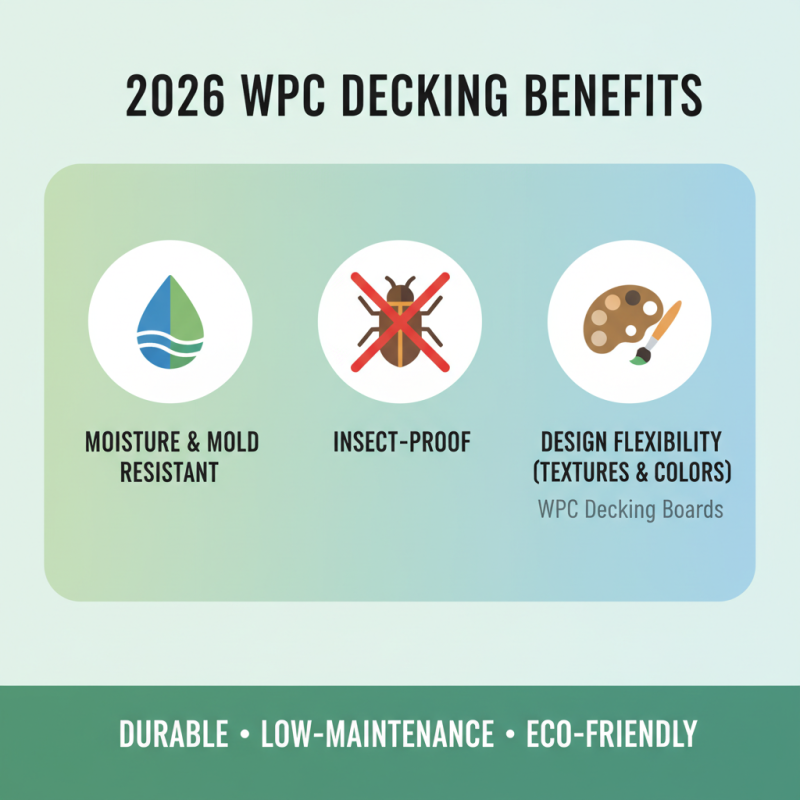
WPC decking, or wood-plastic composite decking, has gained popularity for its unique advantages. It blends wood fibers with recycled plastic, creating a durable and low-maintenance material. Many buyers appreciate its resistance to moisture, mold, and insects, making it ideal for outdoor settings. Wpc Decking Boards come in various textures and colors, giving designers endless possibilities to enhance aesthetics.
However, not all WPC products are equal. Some may not hold up as expected over time. This inconsistency can lead to frustration for buyers who prioritize longevity. It’s wise for potential users to research and choose boards that have strong reputations for performance. Familiarizing oneself with the material’s properties can prevent mistakes in selection.
Another aspect to consider is the installation process. Some Wpc Decking Boards require specialized tools or techniques, which can complicate DIY projects. Homeowners should assess their skill level before diving in. Ultimately, while WPC decking presents clear benefits, careful consideration is essential to ensure it meets the user’s specific needs and expectations.
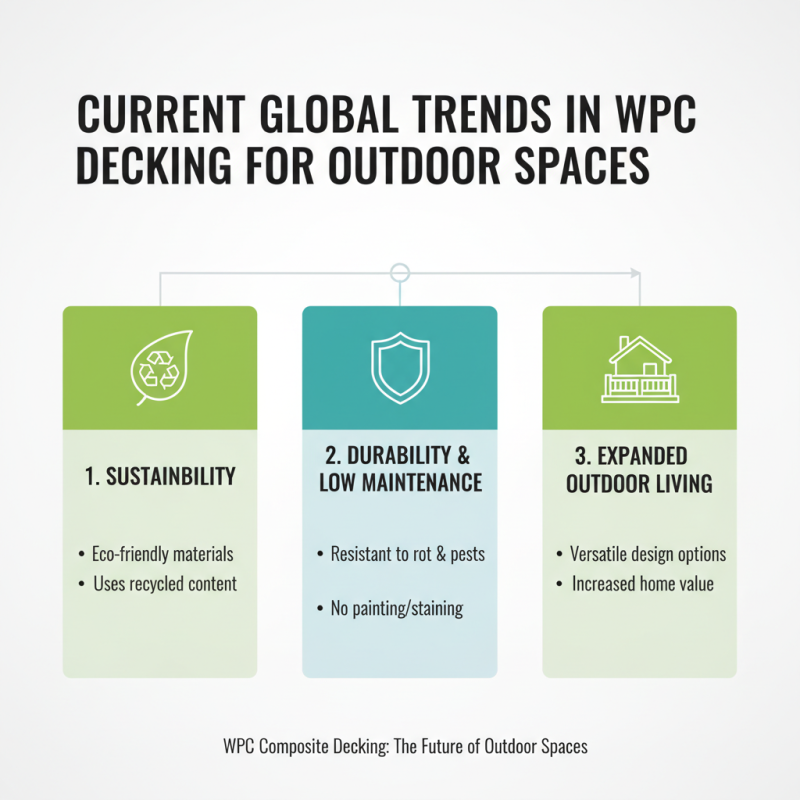
Current Global Trends in WPC Decking for Outdoor Spaces
The outdoor living trend continues to evolve, shaping the demand for innovative materials like Wpc Composite Decking. This hybrid material, which combines wood fibers and plastic, offers durability and low maintenance. Many homeowners are prioritizing sustainability in their choices, leading to an increased focus on eco-friendly materials. Wpc Composite decking meets this demand by using recycled content, reducing environmental impact.
Design preferences are shifting as well. Textured finishes and natural wood looks are becoming more popular. These aesthetics enhance outdoor spaces, making them feel more inviting. Color options are diversifying too, providing more choices for personalization. However, not all WPC composite decking is created equal. Some products may fade or warp over time, which can disappoint buyers looking for longevity. Careful selection of materials is essential for overall satisfaction.
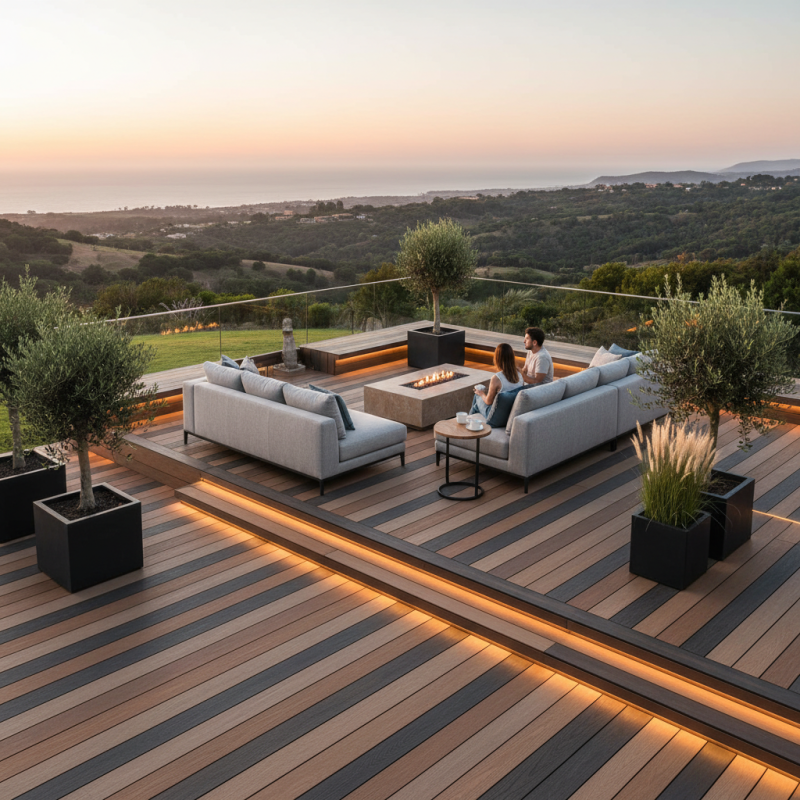
The growing interest in smart outdoor solutions adds another layer to the WPC composite decking trends. Integrated lighting and heating solutions are gaining traction. While these features elevate the comfort of outdoor spaces, they may also raise installation costs. Consumers must consider their budget alongside their wish list. Balancing these factors remains a challenge for many.
Innovative Designs: Top Aesthetic Trends in WPC Decking for 2026
As we approach 2026, Wpc Outdoor Decking trends are evolving rapidly. Innovative designs focus on blending aesthetics with functionality. Natural wood textures and colors dominate, appealing to buyers seeking a warm, inviting atmosphere. The trend leans toward subtle earth tones, like soft greens and browns, creating a serene outdoor space. People want to feel connected to nature, and these colors help achieve that goal.
A noticeable shift is the embrace of sustainability. Eco-friendly materials in WPC outdoor decking not only reduce environmental impact but also appeal to the conscious consumer. While innovation is impressive, it invites scrutiny. Are we sacrificing durability for style? Striking the right balance is essential. Brands now experiment with composite materials that mimic wood’s beauty, but long-term reliability remains a question.
Textures matter too. More consumers are opting for embossed finishes that provide better slip resistance. These deeper textures have become a focal point in design discussions. Yet, achieving the perfect texture that is also easy to clean can be challenging. As these trends emerge, a commitment to quality will be vital for both manufacturers and consumers alike.
Sustainability Focus: Eco-Friendly Practices in WPC Deck Production
As global consciousness shifts towards sustainability, the WPC deck production industry is embracing eco-friendly practices. Recent studies indicate that nearly 30% of consumers prioritize sustainable materials when selecting outdoor products. Wood-plastic composites (WPC) are gaining traction due to their renewability and reduced environmental footprint. Manufacturers are now investing in innovative recycling practices. This not only minimizes waste but also enhances the quality of Wpc Floor Decking.
However, challenges remain in sourcing sustainable raw materials. Some companies struggle with maintaining consistency in quality while adhering to eco-friendly standards. It’s crucial for manufacturers to be transparent about their sourcing and production processes. Regular audits and certifications can help build trust among consumers. Pioneering companies are often those who share their sustainability journey, showcasing both successes and setbacks.
Tips: Always check if a company uses recycled materials in their WPC floor decking. Opt for products that come with eco-certifications. Community awareness campaigns can further enhance understanding of sustainable practices, highlighting the importance of collective efforts. These small steps can lead to significant progress in promoting an eco-conscious market.
Cost-Effective Solutions: Pricing Trends and Value for Buyers
The WPC (Wood Plastic Composite) decking market is evolving rapidly, with pricing trends reflecting both cost-effectiveness and quality. According to a recent industry report, the average cost of WPC decking has seen a 5% drop in 2023, making these products more accessible to global buyers. As costs decrease, consumers are increasingly turning to WPC solutions that offer durability and aesthetics without breaking the bank.
In addition, the demand for sustainable options is rising. Nearly 70% of buyers now prioritize eco-friendly materials. This shift is driving innovation in WPC production methods, often resulting in higher-quality, lower-cost products. Despite this progress, quality inconsistencies remain a challenge. Some products labeled as WPC may not meet the expected standards, leading to potential issues in longevity and performance.
Buyers should thoroughly research suppliers and materials before making a decision. An awareness of the market landscape can minimize risks. For instance, inspecting warranties and performance data can provide insights into a product's true value. It's crucial for consumers to balance cost with quality to ensure they invest wisely in decking solutions.
Regional Trends: Diverse Preferences in WPC Decking Across the Globe
The preferences for WPC (Wood Plastic Composite) decking vary significantly across different regions. In North America, a strong trend toward sustainable materials is observed. A recent report by the Freedonia Group projects a 6% annual growth in WPC demand, driven by eco-conscious consumers. Many buyers are opting for products with recycled content, reflecting an emphasis on reducing environmental footprints.
In Europe, color and texture play a vital role. Buyers prefer natural looks that mimic real wood. According to a survey by the Composite Materials Association, 58% of European consumers value aesthetics. This preference leads manufacturers to innovate in finishes and colors, enhancing market appeal. However, challenges remain in matching durability to aesthetic quality.
Asia shows a different picture, where affordability is key. As urbanization accelerates, WPC decking that combines cost-effectiveness with decent performance gains traction. The Asian market is expected to grow by over 7% annually, as reported by Markets and Markets. Yet, there is a need for manufacturers to address long-term durability issues and potential maintenance concerns. Each region reflects unique buyer preferences, showcasing diverse opportunities and challenges in the WPC decking market.
Installation Innovations: New Techniques and Tools for WPC Decking
The installation of WPC decking is evolving rapidly, driven by new techniques and tools. Modern advancements now focus on efficiency and ease of use. Users can benefit from innovative fastening systems that reduce installation time significantly. These systems often require less manual labor, making the process more accessible for homeowners.
Another notable trend is the use of self-leveling compounds. These materials ensure a flat surface, which is critical for a long-lasting deck. However, improper application can lead to issues later. Ensuring an even application requires careful attention, otherwise, homeowners may face uneven surfaces down the line.
Moreover, advanced cutting tools are becoming common among installers. Precision saws, designed specifically for WPC materials, help achieve clean, straight cuts. While these tools are effective, there is a learning curve. Installers must invest time to master their use and avoid mistakes. As these techniques become standard, both professionals and DIY enthusiasts must stay informed about best practices.
Exploring the Benefits and Applications of 3D-Embossed Wood Plastic Composite Decking: A Sustainable Choice for Outdoor Spaces
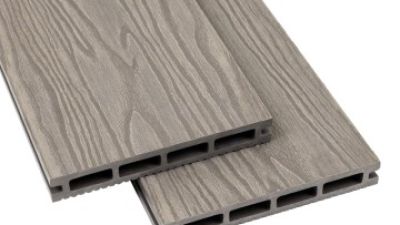
3D-embossed wood plastic composite (WPC) decking has emerged as a game-changer in the realm of outdoor spaces, blending aesthetics with sustainability. This innovative solution leverages the natural beauty of wood while providing the resilience and low maintenance of composite materials. The 3D-embossed surface of these decks mimics the intricate textures of real wood, which not only enhances visual appeal but also delivers an engaging tactile experience. According to a recent industry report, the global WPC decking market is projected to grow at a CAGR of 12.2% from 2023 to 2030, driven by increasing consumer preference for durable and eco-friendly materials.
One of the most compelling benefits of hollow WPC 3D-embossed decking is its sustainability. Made from recycled materials, this decking option reduces the demand for virgin timber and minimizes environmental impact. Wood plastic composites are known for their resistance to moisture, mold, and insects, making them an ideal choice for outdoor applications ranging from residential patios to commercial boardwalks. A study by the Outdoor Industry Association indicates that more than 70% of consumers express a preference for sustainable products, highlighting a significant market trend towards eco-conscious choices.
Furthermore, the longevity and minimal maintenance requirements of 3D-embossed WPC decking enhance its appeal for homeowners and landscapers alike. With a lifespan that can exceed 25 years, these decks are designed to withstand the elements without fading or splintering. This durability not only offers cost savings over time but also positions WPC decking as a wise investment for creating beautiful and functional outdoor environments. As the market continues to evolve, the combination of practicality, aesthetics, and sustainability in WPC decking will undoubtedly play a crucial role in shaping outdoor living spaces for the future.
FAQS
: WPC decking combines wood fibers and plastic. This hybrid material is durable and requires low maintenance.
Many WPC products include recycled content. This helps reduce environmental impact, attracting eco-conscious consumers.
Textured finishes and natural wood looks are trending. Diverse color options allow for more personalization in outdoor designs.
No, some may fade or warp over time. Careful selection based on quality is important for satisfying experiences.
Integrated lighting and heating solutions are gaining popularity. These features may increase installation costs, impacting budget decisions.
Preferences vary widely; North Americans value sustainability, while Europeans focus on aesthetics, and Asians prioritize affordability.
New fastening systems and self-leveling compounds make installation easier and faster. However, application mistakes can lead to issues.
Precision cutting tools are essential for straight, clean cuts. Installers need training to avoid mistakes and ensure quality.
Improper application can cause uneven surfaces. Attention to detail is crucial to avoid long-term problems.
Balancing desired features with cost remains challenging. Careful planning helps ensure satisfaction without overspending.
Conclusion
The article on "2026 Top WPC Decking Trends for Global Buyers" provides a comprehensive overview of WPC decking, highlighting its material benefits and growing popularity in outdoor spaces. It explores current global trends, showcasing innovative designs that emphasize aesthetics while integrating eco-friendly practices in production. Sustainability is a key focus, with an increasing demand for materials that support environmental responsibility.
Furthermore, the piece delves into cost-effective solutions, offering insights into pricing trends and the value proposition for buyers. It also emphasizes regional variations, noting diverse preferences in WPC decking across different parts of the world. Finally, the article sheds light on installation innovations, presenting new techniques and tools that enhance the application process, making WPC decking a practical choice for consumers seeking both style and functionality in their outdoor environments.