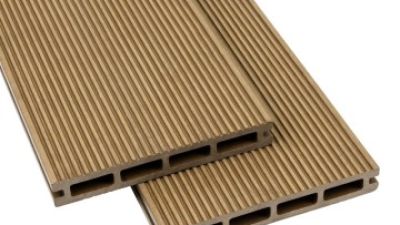
Have you checked out Wpc Decking? It’s really shaking things up in the decking world these days. Basically, it’s a clever mix of wood and plastic, which results in a super sturdy and long-lasting material. As more folks around the globe look for eco-friendly and durable options, Wpc Decking is definitely catching people’s attention. It’s got that perfect combo of good looks and practicality—making it a great pick for all kinds of projects.
One of the best parts? It resists rot and decay, so you don’t need to fuss over upkeep too much. That’s great news for both homeowners and businesses—saving time and saving money in the long run. Plus, it’s pretty versatile when it comes to design. You can even make it look just like traditional wood, but with way better performance.
That said, not all WPC decking is created equal. There are plenty of products out there, and some aren’t top quality. So, it’s really important to do a bit of homework—picking trustworthy suppliers can make all the difference. With so many options on the market, it can get a little overwhelming. But if you understand the ins and outs—the pros and cons—you’ll be able to make smarter choices and find the perfect decking for your needs.
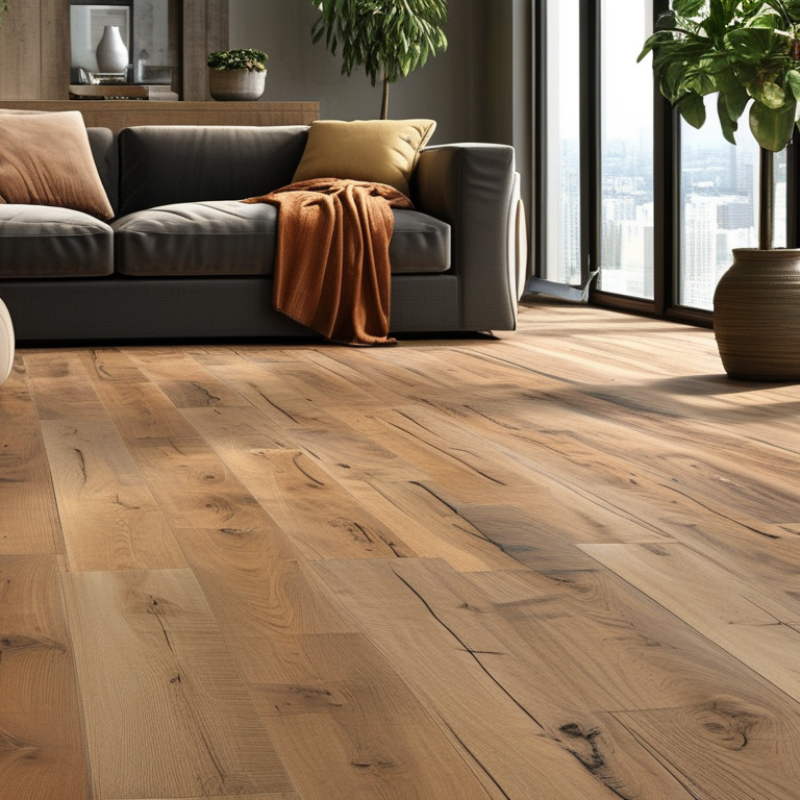
Understanding WPC Decking: A Sustainable Alternative to Traditional Materials
WPC decking is gaining popularity. It stands as a sustainable alternative to traditional materials like wood. WPC stands for wood-plastic composite. This combination provides durability and resilience. Manufacturers mix wood fibers with recycled plastics. The result is a product that resists rot and moisture. This can be particularly appealing for homeowners in wet climates.
Choosing Wpc Decking Boards can lead to a lower carbon footprint. These boards require less maintenance than traditional wood. Homeowners can save time and resources. Unlike wood, WPC doesn’t need regular sealing or staining. This can be a huge time saver for busy individuals. However, some challenges come with this option. WPC can be more prone to scratching than natural wood. Future owners may need to consider this aspect.
Investing in Wpc Decking Boards also supports therecycling industry. Using recycled materials reduces waste and promotes sustainability. While there are many benefits, it’s important to research local suppliers. Some may not adhere to high-quality standards. Ensuring the right choice is crucial for long-term use. Balancing aesthetics with practicality may require some thoughtful reflection.
The Composition and Manufacturing Process of WPC Decking
WPC decking, or wood-plastic composite decking, is gaining popularity among global buyers. Its unique composition combines wood fibers and plastic, creating a durable and attractive product. The manufacturing process is key to its effectiveness. First, raw materials undergo rigorous selection; only high-quality wood and recycled plastic are chosen. This careful selection ensures longevity and resilience.
The blending of materials occurs through an extrusion process. Each component is finely ground and mixed to create a uniform texture. The blend is then heated, forming slats or boards. This method produces a strong, flexible product ideal for various climates. Many buyers appreciate its eco-friendliness, as it utilizes recycled resources.
However, not every batch is perfect. Variability in the raw materials can lead to inconsistencies in color and texture. Quality control measures during production are vital to address these issues. Ensuring each piece meets standards is a continuous challenge. Buyers must remain vigilant and request samples before making larger investments. This attention to detail builds confidence in WPC decking's reliability.
Key Advantages of WPC Decking for Outdoor Spaces
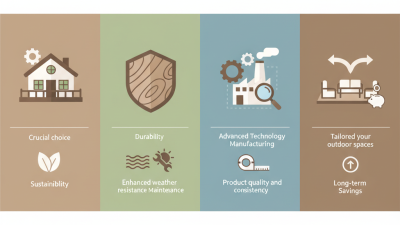
WPC (Wood-Plastic Composite) decking has gained popularity among global buyers for outdoor spaces. One major advantage is its durability. Unlike traditional wood, Wpc Composite Decking is resistant to rot, splintering, and insect damage. This means less maintenance and longer-lasting beauty for your outdoors.
Another benefit is its eco-friendliness. Made from recycled materials, Wpc Composite decking contributes to a sustainable environment. It reduces the need for cutting trees and utilizes plastic waste. This feature can be appealing for buyers who value sustainability in their purchasing decisions.
However, not all WPC options are created equal. It's important to research and choose high-quality products to avoid issues such as fading or warping. Price can also vary significantly, leading to the need for careful consideration. Understanding these aspects can ensure buyers make informed choices for their outdoor projects.
Top Benefits of WPC Decking for Global Buyers
| Benefit | Description | Environmental Impact | Durability |
| Low Maintenance | Requires minimal upkeep compared to wood. | Made from recycled materials, reducing waste. | Resistant to rot, decay, and insect damage. |
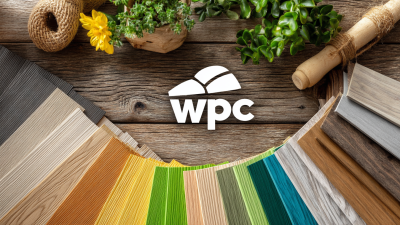
| Aesthetic Appeal | Available in various colors and textures. | Eco-friendly options available for attractive designs. | Maintains appearance without fading over time. |
| Slip Resistance | Provides a safe surface for outdoor environments. | Less environmental impact due to reduced accidents. | Stays stable even in wet conditions. |
| Cost-effectiveness | Offers long-term savings compared to traditional wood. | Use of sustainable materials can lower overall costs. | Lasts longer and requires fewer replacements. |
| Versatile Uses | Suitable for various applications including decks, patios, and walkways. | Reduces deforestation by providing alternative materials. | Strong enough for heavy foot traffic and outdoor conditions. |
Durability and Weather Resistance of WPC Decking
WPC decking offers impressive durability and weather resistance that benefits consumers globally. According to a report from the North American Decking Association, WPC (Wood Plastic Composite) materials can last over 25 years with minimal maintenance. This longevity is essential for anyone looking to invest in outdoor spaces.
These boards resist moisture, reducing concerns about rot and decay, even in humid climates. The material's resistance to UV rays prevents fading and keeps the colors vibrant over time. In fact, studies show that WPC decking can maintain its appearance better than traditional wood. However, some users have reported that, under extreme temperatures, minor warping can occur.
The slip-resistant surface improves safety in wet weather. A slip test from ASTM International indicated that WPC decking surpasses traditional wood in performance. This adds value for homeowners and property developers alike. Yet, it’s crucial to consider compatibility with existing structures, as not all Wpc Outdoor Decking solutions fit seamlessly with prior installations.
Top Benefits of WPC Decking for Global Buyers
Cost-Effectiveness: WPC Decking vs. Traditional Wood Decking
Cost-effectiveness is a fundamental aspect when considering WPC decking. This composite material offers a great alternative to traditional wood decking. According to the Wood Plastic Composite Market Report, the cost of WPC decking installations can be 10% to 30% lower than that of conventional wood. Maintenance plays a crucial role here; WPC decking requires less upkeep. Homeowners save money on staining and sealing, which can add up over time.
Moreover, Wpc Floor Decking has a longer lifespan. Studies show that it can last up to 25 years compared to 10-15 years for wood. This durability reduces the need for replacements and repairs. It is an attractive option for budget-conscious buyers. However, the initial investment can be higher in some cases. Some consumers may hesitate, feeling uncertain about the long-term savings.
While WPC decking is not entirely free of drawbacks, its cost-effectiveness is evident in the long run. Issues can arise from extreme weather conditions, leading to warping or fading. Yet, many users report these challenges can be mitigated with proper care. Overall, WPC decking stands out as a viable investment that combines affordability and durability.
Maintenance Tips for Long-Lasting WPC Decking Performance
WPC (Wood Plastic Composite) decking has gained popularity due to its many advantages. However, maintaining its performance is essential for longevity. Regular maintenance can enhance its lifespan significantly, which is crucial for global buyers. According to a study by the American Wood Council, proper upkeep can extend the life of WPC decking by up to 30%.
Cleaning is a key element of maintenance. It’s recommended to use a gentle cleaner and a soft brush. Harsh chemicals can damage the surface. Periodic inspections for scratches or stains should not be overlooked. Sanding down imperfections can restore the surface shine. Furthermore, keeping the area around the decking clear of debris is vital. This simple act can prevent mold and mildew growth.
Another aspect to consider is the placement of WPC decking. Without proper placement, the performance may suffer. Adequate ventilation helps prevent moisture buildup. Additionally, regular sealing could mitigate wear over time. Many buyers underestimate these details but they are crucial for maximizing WPC decking's effectiveness. Ensure that all maintenance practices are consistent for optimal results.
Market Trends and Future Outlook for WPC Decking Globally
The global market for WPC (Wood-Plastic Composite) decking is on the rise, with improved manufacturing technologies and growing environmental awareness. WPC decking combines wood fibers and plastic, offering durability alongside a natural look. This makes it a favored choice among eco-conscious consumers.
Market trends indicate a shift toward sustainable materials. Buyers are looking for products that minimize environmental impact. WPC decking meets this demand with its recyclable components. The aesthetics of WPC are appealing. It mimics real wood while being resistant to moisture and insects. This aspect attracts homeowners and builders alike.
Tips: Consider the maintenance aspect when choosing decking. WPC typically requires less upkeep, which can save time and money. Furthermore, check for UV resistance to prevent fading over time. As the market grows, more innovations are likely to emerge. Exploring different suppliers can offer various designs and textures. Embracing this trend could enhance property value and sustainability.
Evaluating the Performance and Sustainability of Standard Wood Plastic Composite Decking in Modern Construction: Insights from Recent Industry Reports
The growing trend of using wood plastic composite (WPC) decking in modern construction reflects a significant shift toward more sustainable building materials. Recent industry reports indicate that WPC decking not only meets aesthetic standards with its natural wood appearance but also excels in performance, offering superior durability and weather resistance. The combination of wood fibers and high-quality polymers allows these composites to withstand the elements without deteriorating over time. A study by the Composite Panel Association highlights that WPC materials have a lifespan that can exceed traditional wood decking by up to 30%, making it a cost-effective choice for homeowners and builders alike.
In addition to durability, the grooved surface design of modern WPC decking enhances functionality, providing excellent slip resistance, which is crucial in wet conditions. According to statistics from the American Society for Testing and Materials, the slip-resistant features of WPC products can reduce accidents by as much as 50% compared to conventional wood decking. This attention to safety, combined with the minimal maintenance requirement—merely soap and water for cleaning—makes WPC a practical solution for outdoor spaces.
The hollow design further promotes ease of installation while maintaining structural integrity, a crucial factor for builders aiming to reduce labor costs. Being lightweight does not compromise strength, allowing for a quicker setup without sacrificing quality. Additionally, the eco-friendly nature of WPC decking, derived from recycled materials, aligns perfectly with current sustainability goals, appealing to environmentally conscious consumers. This fusion of aesthetics, performance, and sustainability makes wood plastic composite decking an attractive option for those looking to enhance their outdoor environments.
FAQS
: WPC decking combines wood fibers and plastic, creating a durable and attractive product.
Raw materials are selected, ground, and mixed through an extrusion process to form slats or boards.
WPC decking installations can be 10% to 30% cheaper than traditional wood options.
WPC decking can last up to 25 years, which is longer than traditional wood’s 10-15 years lifespan.
Regular cleaning with gentle cleaners and inspections for damage are essential for WPC decking maintenance.
Yes, extreme weather may cause issues like warping or fading, but proper care can reduce these risks.
Yes, if debris is left untouched, but regular cleaning can prevent this growth.
Periodic inspections help identify scratches or stains that can affect the decking's appearance and longevity.
Adequate ventilation is crucial as it prevents moisture buildup, which can harm the decking's performance.
Many underestimate the importance of regular maintenance details, which can impact the decking's effectiveness.
Conclusion
WPC decking, or Wood-Plastic Composite decking, is emerging as a sustainable alternative to traditional decking materials, combining the durability of wood and the resilience of plastic. Its composition typically includes recycled wood fibers and thermoplastics, resulting in a product that is not only eco-friendly but also versatile in design and functionality.
The key advantages of WPC decking include its exceptional durability, weather resistance, and low maintenance requirements, making it ideal for outdoor spaces. Compared to traditional wood decking, WPC decking offers greater cost-effectiveness over time due to its longer lifespan and reduced need for maintenance. As market trends indicate a growing preference for sustainable building materials, WPC decking is poised for significant growth, appealing to global buyers who seek both quality and environmental responsibility in their outdoor solutions.